The Most Popular Supplement for Dogs Deserves a Closer Look
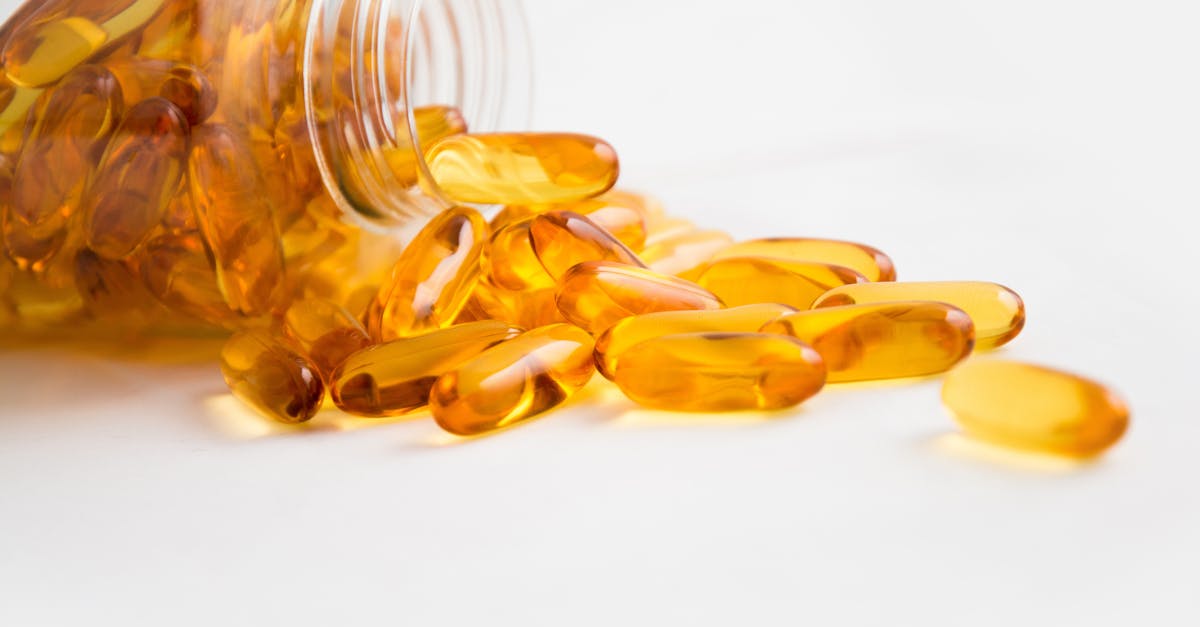
Fish oil is the supplement most canine health professionals recommend and most dog owners have tried. It's been a staple in canine nutrition for decades, and for good reason: the omega-3 fatty acids EPA and DHA offer documented benefits for nearly every system in a dog's body. But popularity doesn't mean every fish oil product is good, or that fish oil is free from concerns worth understanding.
Bowie has been on fish oil since he was six years old, on our care provider's recommendation. Over the years, I've learned more about what makes a good fish oil and what to watch out for.
The Established Benefits
Joint Health and Inflammation
EPA (eicosapentaenoic acid) is a potent natural anti-inflammatory. Multiple clinical studies have demonstrated that fish oil supplementation reduces inflammatory markers in dogs with osteoarthritis, leading to improved mobility and reduced dependence on NSAIDs. A study at Colorado State University found that dogs receiving high dose omega-3 supplementation showed statistically significant improvements in weight bearing and lameness scores.
Cognitive Function
DHA (docosahexaenoic acid) is a structural component of brain tissue. In senior dogs, DHA supplementation has been associated with better cognitive performance and slower progression of cognitive dysfunction syndrome, the canine equivalent of dementia. Brain tissue is approximately 60% fat, and DHA is the predominant omega-3 in the brain.
Skin and Coat
This is often the first benefit owners notice. Omega-3s support skin cell membrane health, reduce inflammatory skin conditions, and improve coat quality. Dogs with chronically dry, flaky skin or dull coats frequently show improvement within 4 to 6 weeks of starting fish oil supplementation.
Heart Health
Fish oil supports cardiovascular health through multiple mechanisms: reducing triglycerides, supporting healthy blood pressure, and reducing cardiac inflammation. The American College of Veterinary Internal Medicine has recognized omega-3 supplementation as a supportive measure for dogs with heart disease.
The Mercury Question
Mercury accumulation is the most significant concern with fish oil supplements. Mercury enters the aquatic food chain through industrial pollution, and it bioaccumulates: larger, longer lived predatory fish (tuna, swordfish, shark) contain the highest levels. The mercury that ends up in fish oil depends entirely on the source fish and the purification process.
How to Minimize Mercury Exposure
- Choose oils from small, cold water fish. Anchovies, sardines, and mackerel are low on the food chain and accumulate far less mercury than larger species. Products sourced from these fish start with inherently lower contamination.
- Look for molecular distillation. This purification process removes heavy metals, PCBs, and other contaminants from fish oil. It's the industry gold standard for producing clean fish oil.
- Request a certificate of analysis (COA). Reputable companies test every batch for heavy metals and make the results available. If a company can't or won't provide this documentation, consider that a red flag.
- Check for IFOS certification. The International Fish Oil Standards program independently tests fish oil products for purity, potency, and freshness. IFOS certified products have passed rigorous third party testing.
Oxidation: The Hidden Risk
Mercury gets the headlines, but oxidation may be the more common quality issue with fish oil. Omega-3 fatty acids are chemically unstable and begin to degrade (oxidize) when exposed to heat, light, and air. Oxidized fish oil doesn't just lose its benefits; it may actually be harmful. Studies have shown that oxidized omega-3s can increase inflammation and oxidative stress, the exact opposite of what you're trying to achieve.
Signs that a fish oil product has oxidized:
- Strong, unpleasant fishy smell (fresh fish oil has a mild, clean scent)
- Darkened or cloudy appearance
- Product has been stored in a clear container exposed to light
- Package doesn't list antioxidant preservatives (like vitamin E/mixed tocopherols)
Store fish oil in a cool, dark place (or refrigerate after opening) and use it within the manufacturer's recommended timeframe.
Dosing: More Isn't Always Better
Effective dosing depends on the reason for supplementation and the concentration of EPA and DHA in the product. A common guideline is 20 to 50 mg of combined EPA and DHA per pound of body weight daily, but your dog's care team should determine the appropriate dose based on your dog's specific health needs.
Crucially, look at the EPA and DHA content, not the total fish oil volume. A "1000mg fish oil" capsule might contain only 300mg of actual EPA and DHA. The rest is other fats that don't provide the targeted benefits.
Excessive fish oil can cause issues: loose stools, reduced blood clotting (a concern for dogs on blood thinning medication or facing surgery), and excessive calorie intake. It's one of those supplements where the therapeutic window matters, and more is not always better.
Fish Oil Alternatives
For dogs with fish allergies or owners concerned about marine sustainability, there are alternative omega-3 sources:
- Algal oil: Derived from algae (the original source of DHA in the food chain). Provides DHA without the risk of marine contaminants. EPA content is typically lower.
- Krill oil: Contains EPA and DHA in phospholipid form, which some research suggests may be better absorbed. However, krill harvesting raises ecological concerns.
- Flaxseed oil: Contains ALA (alpha-linolenic acid), which the body must convert to EPA and DHA. Dogs convert ALA very inefficiently (estimates range from 5 to 15%), making flaxseed a poor substitute for direct EPA/DHA supplementation.
How Fish Oil Fits Into a Broader Supplement Plan
Fish oil is excellent at what it does: providing anti-inflammatory omega-3 fatty acids. But it doesn't replace other types of support your senior dog may need. It doesn't provide collagen for joint structure, cellular energy support through NAD+ precursors, or the broad spectrum vitamins and minerals found in whole food ingredients. That's why many senior dog owners combine a quality fish oil with a complementary supplement that covers other aspects of aging.
For Bowie, fish oil handles the omega-3 component of his nutrition plan, while his daily LongTails scoop addresses cellular health, collagen, and whole food nutrition. They work on different pathways, which is exactly how smart supplementation should function.
Key Takeaways
- Fish oil provides EPA and DHA with documented benefits for joints, brain, skin, and heart health in dogs
- Mercury risk is real but manageable: choose oils from small fish with molecular distillation and third party testing
- Oxidation is an underappreciated concern; store fish oil properly and look for antioxidant preservatives
- Dose based on EPA and DHA content, not total fish oil volume
- Excessive fish oil can cause loose stools, reduced clotting, and unnecessary calories
- consult a qualified professional for appropriate dosing, especially for dogs on medication