Every breath your dog takes generates energy. And every breath also produces a small amount of collateral damage in the form of reactive oxygen species, commonly known as free radicals. This is oxidative stress, and it's one of the most pervasive drivers of aging in every living creature, including your dog.
What Is Oxidative Stress?
Oxidative stress occurs when the production of free radicals exceeds the body's ability to neutralize them with antioxidants. Free radicals are unstable molecules that steal electrons from other molecules, damaging proteins, lipids, and DNA in the process. In small amounts, free radicals actually serve useful purposes, including immune defense and cell signaling. The problem arises when production outpaces the body's defense systems.
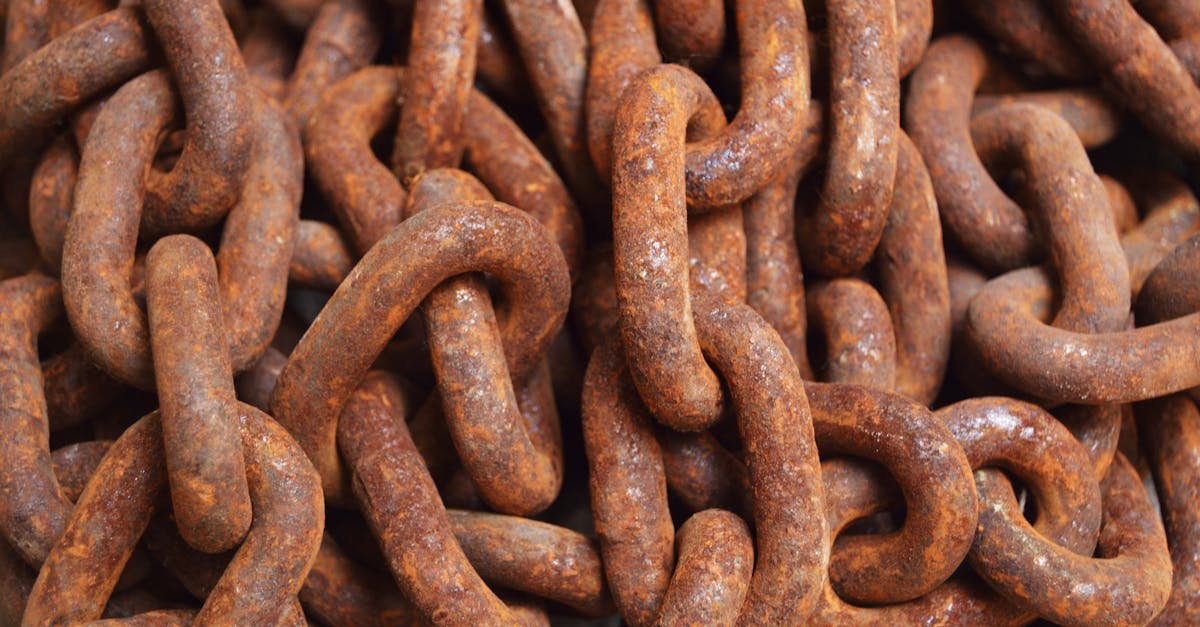
Think of it like rust on a car. A small amount is inevitable and manageable. But if the protective coating breaks down, rust spreads rapidly and eventually compromises the structure's integrity. In your dog's body, the "rust" is cellular damage, and the "protective coating" is the antioxidant defense system.
Sources of Free Radicals in Dogs
Internal Sources
- Mitochondrial energy production: The single largest source of free radicals. As mitochondria convert food into ATP, a small percentage of electrons "leak" and generate reactive oxygen species. This is unavoidable, but it increases as mitochondrial efficiency declines with age.
- Immune function: White blood cells deliberately produce free radicals to kill pathogens. Chronic infections or autoimmune conditions increase this production.
- Normal metabolism: Various enzymatic reactions throughout the body produce free radicals as byproducts.
External Sources
- Environmental toxins: Pesticides, herbicides, household chemicals, and air pollution all increase oxidative burden.
- UV radiation: Sun exposure generates free radicals in skin cells.
- Processed food: Heavily processed foods, especially those containing oxidized fats, can contribute to oxidative stress.
- Chronic stress: Physical and psychological stress increase cortisol, which can amplify free radical production.
How Oxidative Stress Accelerates Aging
The damage caused by oxidative stress touches every system in your dog's body:
- DNA damage: Free radicals cause thousands of DNA lesions per cell per day. While repair mechanisms handle most of this, accumulated unrepaired damage contributes to mutations and cancer risk.
- Mitochondrial damage: Mitochondrial DNA is especially vulnerable to oxidative damage, creating a feedback loop where damaged mitochondria produce more free radicals.
- Protein damage: Oxidized proteins lose their normal function and can accumulate as cellular debris, contributing to neurodegenerative processes.
- Lipid peroxidation: Free radicals damage cell membranes, compromising their ability to regulate what enters and exits the cell.
- Telomere damage: Oxidative stress accelerates telomere shortening, pushing cells toward senescence more quickly.
The Antioxidant Defense System
Your dog's body has a sophisticated multilayered defense against oxidative stress:
Enzymatic Antioxidants
Superoxide dismutase (SOD), catalase, and glutathione peroxidase are enzymes that neutralize specific types of free radicals. These are produced internally and represent the first line of defense. Their production and activity can decline with age.
Non-Enzymatic Antioxidants
Glutathione is often called the body's "master antioxidant." Vitamins C and E, coenzyme Q10, and various plant-derived compounds also contribute to antioxidant defense. Many of these must be obtained through diet.
The NAD+ Connection
NAD+ plays an indirect but important role in antioxidant defense. By supporting efficient mitochondrial function, adequate NAD+ levels help reduce the "leak" of electrons that generates free radicals in the first place. NAD+ also supports sirtuin activity, and sirtuins help regulate the expression of antioxidant enzymes. This is yet another reason why maintaining NAD+ levels in aging dogs is a multi-benefit strategy. Products like LongTails that pair NR with nutrient-dense beef liver (rich in antioxidant-supporting vitamins) address the oxidative stress equation from multiple angles.
Practical Strategies for Reducing Oxidative Stress
- Feed antioxidant-rich foods: Berries, leafy greens, and colorful vegetables (in appropriate amounts for dogs) provide plant-based antioxidants. Organ meats like liver are rich in fat-soluble vitamins that support antioxidant function.
- Minimize environmental toxin exposure: Use pet-safe cleaning products, avoid pesticide-treated lawns when possible, and ensure good indoor air quality.
- Maintain a healthy weight: Excess body fat increases systemic oxidative stress. Lean dogs have lower oxidative burden.
- Support NAD+ levels: Adequate NAD+ supports more efficient mitochondrial function (reducing free radical production at the source) and enhances sirtuin-mediated antioxidant gene expression.
- Provide appropriate exercise: Regular moderate exercise actually enhances antioxidant defenses by upregulating protective enzymes. However, excessive or extreme exercise can temporarily increase oxidative stress, so balance is key.
If your dog has existing health conditions that increase oxidative stress, consult a qualified professional about whether additional antioxidant support might be beneficial. The goal isn't to eliminate all free radicals (that would interfere with normal immune function and cell signaling) but to maintain a healthy balance between production and defense.
Key Takeaways
- Oxidative stress occurs when free radical production exceeds the body's antioxidant defenses, causing cellular damage that accumulates with age.
- Major internal sources include mitochondrial energy production and immune function. External sources include toxins, UV radiation, and processed food.
- Oxidative damage affects DNA, mitochondria, proteins, cell membranes, and telomeres, accelerating multiple hallmarks of aging.
- The body's antioxidant defense system includes enzymatic antioxidants, dietary antioxidants, and NAD+-supported pathways.
- Practical strategies include antioxidant-rich nutrition, toxin minimization, weight management, NAD+ support, and balanced exercise. consult a qualified professional for guidance.