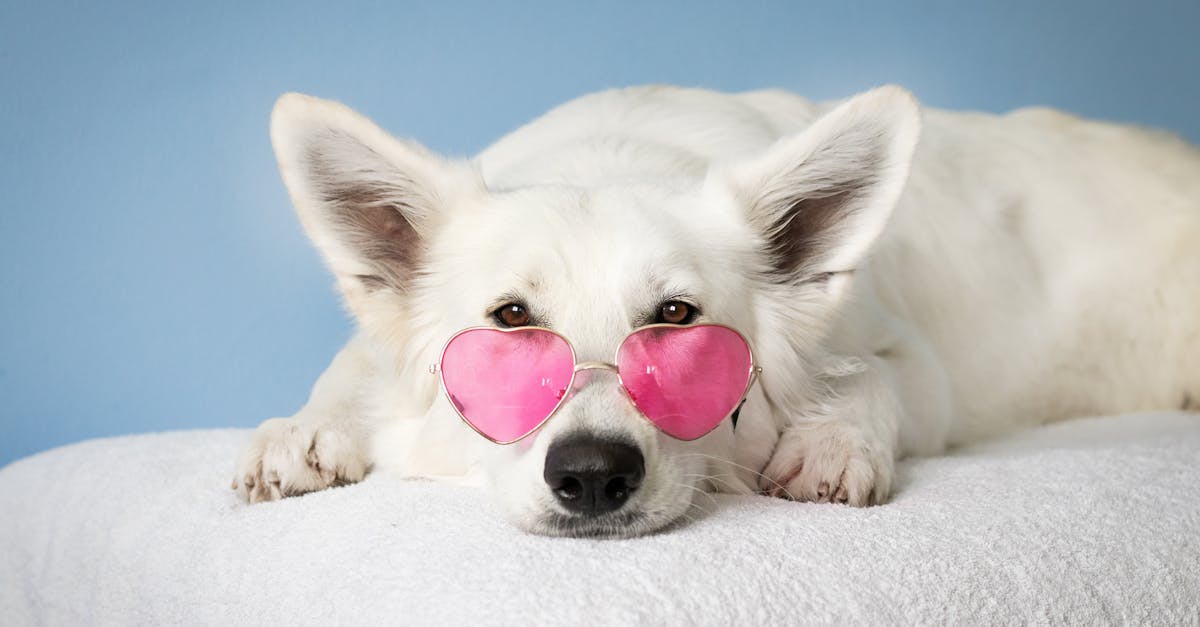
Just because your dog has slowed down does not mean the fun has to stop. Senior dogs still crave stimulation, adventure, and quality time with their humans. The key is matching the activity to the season and to your dog's current abilities. Here is a year-round guide to keeping your senior dog engaged, happy, and safe.
Spring: The Season of Gentle Renewal
As winter recedes and temperatures moderate, spring is ideal for easing your senior dog back into outdoor activity.
Sniff Walks in Bloom
Spring is a sensory bonanza for dogs. New plants, returning wildlife, and warming earth create an olfactory paradise. Take your senior dog on slow, leisurely walks through parks and gardens where they can investigate every smell at their own pace. These "sniff walks" are as mentally enriching as a puzzle toy and much easier on aging joints than a brisk jog.
Gentle Swimming
If you have access to a calm, shallow body of water and your dog enjoys swimming, spring is a great time to start. Swimming provides low-impact exercise that supports joint health without the stress of weight-bearing movement. Always supervise closely, consider a dog life vest, and ensure the water temperature is warm enough (above 60 degrees Fahrenheit) to prevent muscle cramping.
Patio Lounging
Set up a comfortable outdoor bed on your patio or deck. Many senior dogs love being outside without the exertion of a walk. Add a sunshade, a water bowl, and a chew toy, and you have an afternoon of contentment.
Summer: The Art of Staying Cool
Heat is the biggest concern for senior dogs in summer. Their ability to regulate body temperature decreases with age, making them more susceptible to heatstroke.
Early Morning Adventures
Shift your activity window to before 8am or after 7pm during hot months. The pavement temperature is cooler, the air is more comfortable, and your dog will have more energy. Test the pavement with your palm: if it is too hot for your hand, it is too hot for your dog's paws.
Indoor Enrichment Games
On days when outdoor activity is limited by heat, bring the fun inside. Scatter feeding (spreading kibble across a room for your dog to find), frozen Kongs stuffed with peanut butter and banana, and gentle games of hide-and-seek with treats all provide mental stimulation without physical exertion.
Splash Play
A shallow kiddie pool in a shaded area of your yard can be a source of enormous joy. Many senior dogs who would not tolerate a full swim love wading in a few inches of cool water. Add floating treats for extra engagement.
Fall: The Golden Season for Senior Dogs
Moderate temperatures and crisp air make fall the best season for outdoor activities with older dogs.
Leaf Pile Exploration
If your dog is mobile enough, a pile of fallen leaves is pure sensory magic. The rustling sounds, hidden smells, and texture are endlessly entertaining. Supervise to make sure they are not eating anything they should not, and check for ticks afterward.
Car Rides to New Places
Even if your senior dog cannot handle a long hike, a scenic drive with the windows cracked provides fresh air and new smells. Stop at a few dog-friendly spots for short walks. The change of scenery is stimulating even if the physical activity is minimal.
Outdoor Training Sessions
Fall weather is perfect for gentle training sessions in the yard. Senior dogs can absolutely learn new things, and the mental challenge of working for treats is excellent cognitive exercise. Keep sessions short (five to ten minutes) and use high-value rewards.
Winter: Warmth, Comfort, and Indoor Bonding
Winter requires the most creativity for senior dog enrichment, especially in cold climates.
Indoor Nose Work
Hide treats throughout your house and let your dog find them. Start easy (in plain sight) and gradually increase the difficulty. This mimics natural foraging behavior and provides intense mental stimulation without any physical strain. Many dog training facilities also offer indoor nose work classes that are perfect for senior dogs.
Cozy Movie Nights
This one is for both of you. Set up a comfortable spot on the couch or floor with blankets, your dog's favorite bed, and some dog-safe snacks. The togetherness and warmth are enriching in their own way. Physical closeness produces oxytocin in both species.
Short Winter Walks with Gear
If your dog tolerates the cold and the ground is not icy, short winter walks can be invigorating. Consider a fleece-lined jacket for thin-coated or small dogs, and use paw balm to protect against salt and cold pavement. Keep walks brief and watch for signs of cold stress: shivering, lifting paws, reluctance to keep moving.
Year-Round: The Activities That Never Go Out of Season
- Massage and gentle stretching (consult a qualified professional for appropriate techniques)
- Puzzle feeders and food toys that challenge the brain
- Social time with calm, friendly dogs or people
- Car rides as their own form of enrichment
- Simply being together in the same space, which senior dogs value above almost everything else
Key Takeaways
- Adapt activities to the season and your dog's current abilities
- Sniff walks and nose work provide intense mental stimulation with minimal physical strain
- Avoid heat exposure in summer by shifting activities to early morning or evening
- Fall is the ideal season for outdoor activities with senior dogs
- Indoor enrichment (puzzle toys, hide-and-seek, training) keeps winter interesting
- The best year-round activity for a senior dog is simply being with you