Why What You Serve Alongside a Supplement Matters
We spend time researching the right supplements for our dogs, comparing ingredients, reading labels, and calculating doses. But here's something most of us overlook: the food you serve with a supplement can significantly affect how much of it your dog actually absorbs and uses. Nutrient absorption isn't just about what goes in; it's about the biochemical environment that greets it in the digestive tract.
I learned this the hard way with Bowie. For months, I was giving him a fat soluble supplement on top of his morning kibble, which was relatively low in fat. When I switched to mixing it with his evening meal, which included a dollop of wet food (higher fat content), his coat and energy visibly improved within weeks. Same supplement, same dose, dramatically better results.
Fat Soluble vs. Water Soluble: The Fundamental Distinction
Nutrients fall into two broad absorption categories, and understanding this distinction is the foundation of strategic pairing.
Fat Soluble Nutrients
Vitamins A, D, E, and K, along with omega-3 fatty acids, curcumin, CoQ10, and many phytonutrients, require dietary fat for absorption. These nutrients dissolve in fat and are absorbed alongside fatty acids through the intestinal wall into the lymphatic system. Without adequate fat present in the meal, a significant portion of these nutrients passes through unabsorbed.
Studies in human nutrition have shown that consuming fat soluble nutrients with a fat free meal can reduce absorption by 50 to 80 percent. The principle is the same in dogs.
Water Soluble Nutrients
B vitamins, vitamin C, most minerals, and many amino acids dissolve in water and are absorbed directly through the intestinal wall into the bloodstream. These don't require fat for absorption, but they benefit from adequate hydration and a healthy gut environment.
Pairing Strategies for Common Supplements
Joint Supplements (Glucosamine, Chondroitin, Collagen)
These are primarily protein based (amino sugars and amino acids) and are water soluble. They absorb well with any meal, but there's a nuance: serving them with a meal that includes some vitamin C rich food can support collagen synthesis. The body uses vitamin C as a cofactor in collagen production, so pairing a collagen supplement with a meal that includes a small amount of blueberries, steamed broccoli, or bell pepper (all safe for dogs in moderation) creates a synergistic effect.
Fish Oil and Omega-3 Supplements
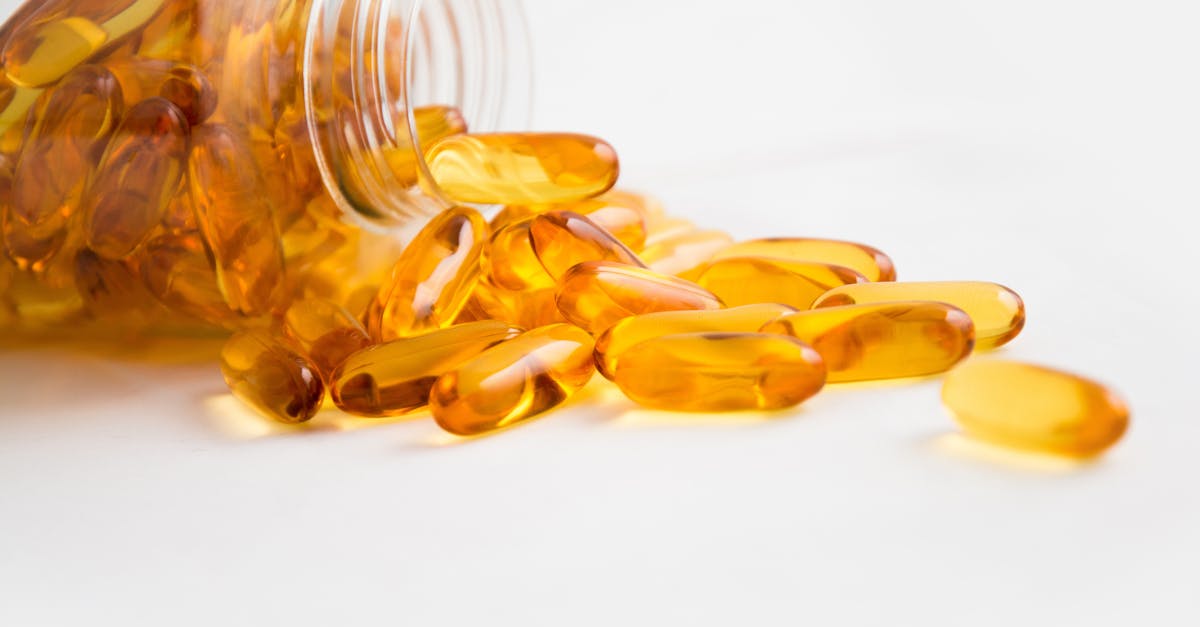
These are fats that absorb best with other fats. Serve fish oil alongside a meal that contains some dietary fat. If your dog eats a lower fat kibble, adding a spoonful of wet food, a drizzle of olive oil, or even a scrambled egg creates the fatty acid environment needed for optimal absorption.
Multi-Ingredient Powders
Products like LongTails that contain a mix of ingredients (NR, hydrolyzed collagen, bone broth powder, beef liver) benefit from being served with a complete meal that includes both protein and fat. The collagen and amino acids absorb readily with the meal's protein, while the fat soluble nutrients in beef liver (vitamins A and D) benefit from the meal's fat content. Mixing the powder into a meal that combines kibble with a spoonful of wet food or a splash of bone broth creates an ideal absorption environment.
Probiotics
Probiotic bacteria need to survive stomach acid to reach the intestines. Serving probiotics with a meal provides a "buffer" effect: the food raises stomach pH slightly and provides a physical matrix that helps protect the bacterial organisms during transit. Some studies suggest that serving probiotics with a meal that contains a small amount of fat improves survival rates of the bacteria through the stomach.
SAMe
This is the notable exception. SAMe must be given on an empty stomach for proper absorption. Food, particularly protein, competes with SAMe for transport across the intestinal wall. Give SAMe 30 to 60 minutes before a meal.
Foods That Enhance Supplement Absorption
- Eggs: One of the most versatile pairing foods. The fat in egg yolk supports fat soluble nutrient absorption, the protein provides complementary amino acids, and eggs are highly digestible for dogs.
- Sardines: Provide omega-3 fats (supporting fat soluble absorption), high quality protein, and additional nutrients like vitamin D and calcium.
- Pumpkin puree: The soluble fiber supports gut health and slows digestive transit, potentially allowing more time for nutrient absorption. Also provides beta-carotene and other antioxidants.
- Plain yogurt or kefir: Provides probiotics that support the gut microbiome, protein for amino acid availability, and fat for fat soluble nutrient absorption. Choose plain, unsweetened varieties.
- Bone broth: Provides gelatin that supports gut lining integrity (improving overall absorption capacity), amino acids, and trace minerals. Also increases the palatability of supplements mixed into food.
Foods and Substances That Can Reduce Absorption
- High fiber meals taken simultaneously with minerals: Fiber can bind minerals like calcium, iron, and zinc, reducing their absorption. If your dog takes a mineral supplement, don't serve it alongside a high fiber meal.
- Calcium and iron competition: These minerals compete for absorption. If your dog takes both, consider giving them at different meals.
- Phytates (in grains and legumes): Phytic acid binds minerals and reduces their bioavailability. This is more of a concern for dogs on grain heavy or legume heavy diets.
- Oxalates (in spinach, beet greens): Can reduce calcium absorption. Generally not a significant concern for dogs in normal feeding amounts.
Timing Considerations
Beyond food pairing, timing can affect supplement efficacy:
- Divide and conquer: If your dog takes multiple supplements, distributing them across meals can reduce nutrient competition and improve individual absorption.
- Consistency matters: Give supplements at the same time each day. This creates a consistent metabolic rhythm that supports steady nutrient levels.
- Morning vs. evening: There's limited canine research on chrononutrition, but some evidence suggests that fat soluble nutrients absorb slightly better with the larger meal of the day. If your dog gets a bigger dinner, that may be the optimal time for fat soluble supplements.
Don't Overcomplicate It
The most important factor in supplement effectiveness is consistency. Giving a supplement daily with a regular meal is far more valuable than giving it sporadically with a "perfect" pairing food. These pairing strategies are optimizations, not requirements. If mixing your dog's supplement into their regular food is what keeps you consistent, that's the right approach.
That said, small adjustments can meaningfully improve absorption. Adding a splash of fish oil to a meal with fat soluble supplements, or mixing a powder supplement with a bit of warm broth before adding it to food, takes only seconds and can make a genuine difference in how much value your dog gets from the supplements you've invested in.
Key Takeaways
- Fat soluble nutrients (vitamins A, D, E, K, omega-3s, CoQ10) require dietary fat for absorption
- Serving supplements with a meal containing protein and fat creates the best absorption environment
- Eggs, sardines, pumpkin, yogurt, and bone broth are excellent supplement pairing foods
- SAMe is the exception: it must be given on an empty stomach
- High fiber meals and phytates can reduce mineral absorption
- Consistency is more important than perfect pairing; give supplements daily at the same time