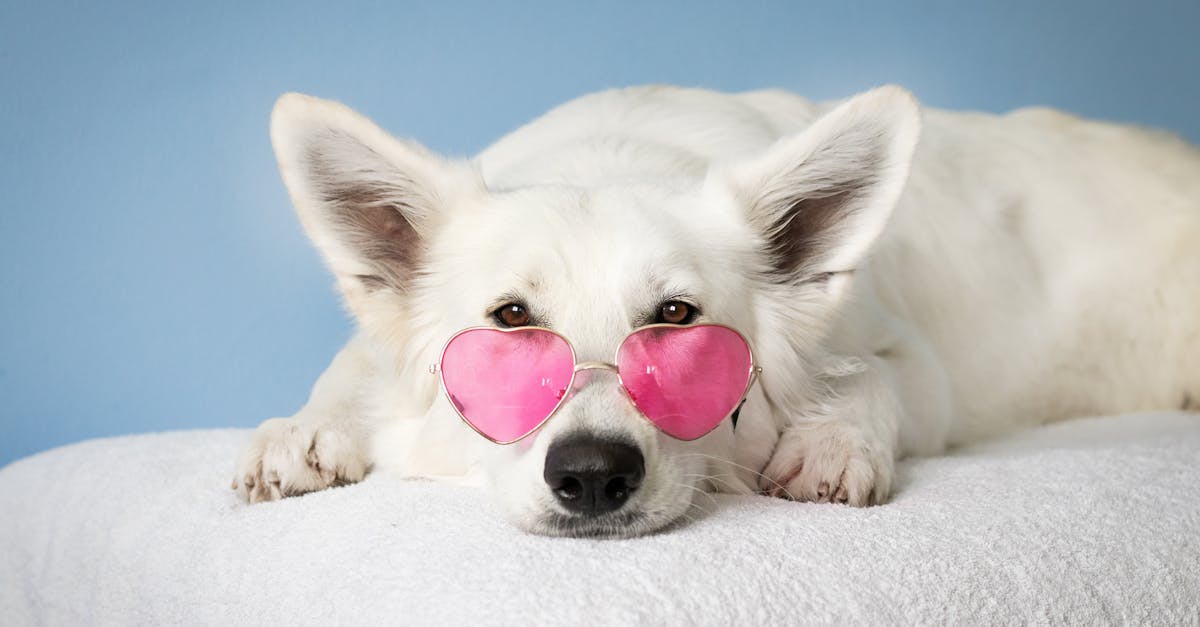
I stopped taking Dolly to the dog park about a year ago. Not because she does not enjoy being around other dogs, but because the standard dog park environment is designed for young, high-energy dogs, and it was becoming stressful for both of us. Then I discovered something better: the slow sniff.
Why Traditional Dog Parks Fail Senior Dogs
Most dog parks are open spaces designed for running, chasing, and wrestling. For senior dogs, this environment presents several problems:
- Physical risk: A young dog barreling into a senior dog at full speed can cause real injury. Arthritis compromises a senior dog's ability to brace for impact or recover from a stumble.
- Overstimulation: The noise, chaos, and unpredictability of a busy dog park can be overwhelming for senior dogs, especially those with cognitive changes or sensory decline.
- Social mismatch: A senior dog who wants to sniff quietly is often interrupted, chased, or mounted by younger dogs who do not read or respect their "I am not playing" signals.
- Heat and terrain issues: Many dog parks have minimal shade and uneven terrain that is challenging for older dogs.
The Alternative: Structured Sniff Walks
Instead of the dog park, I started doing what I call "structured sniff walks" with Dolly and one or two other calm dogs. Here is how it works:
I coordinate with friends who also have mellow or senior dogs. We meet at a quiet park, trail, or even a large backyard. We walk together slowly, letting the dogs sniff everything they want for as long as they want. There is no agenda, no distance goal, no timeline. Just dogs doing what dogs were designed to do: process the world through their noses.
Why Sniffing Is Better Than Running (for Senior Dogs)
The canine nose is remarkable. Dogs have up to 300 million olfactory receptors compared to our six million. Sniffing is not just a behavior. It is a primary mode of cognitive processing. Research from multiple universities has demonstrated that:
- Sniffing lowers heart rate and cortisol levels, producing a calming effect
- Olfactory exploration is intensely mentally stimulating, tiring a dog out cognitively without physical strain
- Sniffing in new environments provides novelty that supports brain health and prevents cognitive stagnation
- Social sniffing (dogs sniffing the same areas) is a form of communication that builds social bonds without the risk of physical play
After a 30-minute sniff walk, Dolly is as contentedly tired as she used to be after an hour at the dog park, without the stress, the physical risk, or the overstimulation.
Setting Up Senior Dog Social Time
If you want to create senior-dog-appropriate social opportunities, here are guidelines that work:
- Keep groups small: two to four dogs maximum
- Match energy levels: pair senior dogs with other calm dogs, regardless of age
- Choose quiet locations: avoid peak hours at popular parks
- Let dogs set the pace: if a dog wants to stop and sniff one spot for five minutes, let them
- Watch body language closely: remove any dog showing signs of stress (lip licking, whale eye, tucked tail, stiff posture)
- Bring water and rest options: a portable bed or blanket for dogs who need to lie down mid-walk
The Social Needs of Senior Dogs
Senior dogs still need social interaction, but the form matters. They benefit most from calm, predictable social encounters with familiar dogs and humans. The frantic socialization of a dog park is the opposite of what most senior dogs need.
Think of it this way: a senior dog's ideal social life looks more like a quiet dinner with close friends than a nightclub. Low-key, comfortable, with good conversation (sniffing) and no pressure to perform.
Dolly's sniff walk group has become the highlight of her week. She greets her walking buddies with gentle tail wags, spends the walk investigating the world alongside them, and comes home satisfied in a way that the dog park never achieved. Slow sniffing is not a compromise. For senior dogs, it is an upgrade.
Key Takeaways
- Traditional dog parks pose physical and emotional risks for senior dogs
- Structured sniff walks with small groups of calm dogs provide safer socialization
- Sniffing is cognitively tiring and emotionally calming, making it ideal exercise for senior dogs
- Keep social groups small, energy-matched, and in quiet locations
- Let dogs set the pace and spend as long as they want on each smell
- Senior dogs need social interaction, but they need it at their speed and on their terms