One of the first things I notice when a new foster dog arrives is the condition of their coat. It tells a story. A dull, dry, thinning coat on a senior dog speaks to what's happening inside their body as clearly as any blood test. Skin and coat health is a window into overall health, and when they start to decline, it's worth paying attention.
What Changes and Why
Coat Changes
- Graying: Just like humans, dogs go gray. The melanocyte stem cells that produce hair pigment decline with age, starting typically around the muzzle and progressing outward. Graying is cosmetic and doesn't indicate health problems, though early graying (before age 5) has been associated with anxiety and stress in some studies.
- Thinning: Hair follicles produce finer, less dense hair over time. Some senior dogs develop noticeably thinner coats, particularly along the flanks and belly.
- Texture changes: Coats may become dryer, coarser, or more brittle. Some dogs develop a "woolly" texture as the balance of undercoat and outer coat shifts.
- Color changes: Beyond graying, some dogs develop reddish or yellowish discoloration due to changes in sebum composition or chronic licking.
Skin Changes
- Reduced elasticity: Collagen and elastin production decline with age, making skin thinner and less supple. This is the same process that causes wrinkles in humans.
- Dryness: Sebaceous glands produce less oil, and the skin barrier becomes less effective at retaining moisture.
- Increased susceptibility to infections: Thinner skin with a compromised barrier is more vulnerable to bacterial and yeast infections.
- Lumps and bumps: Senior dogs commonly develop benign skin growths (lipomas, sebaceous cysts, warts). While most are harmless, any new growth should be evaluated by your dog's care team.
- Slower healing: Minor cuts and abrasions take longer to heal due to reduced cellular regeneration and blood flow.
The Collagen Connection
Collagen is the most abundant protein in skin, providing the structural framework that maintains skin thickness, elasticity, and integrity. Collagen production naturally declines with age, and this decline is directly reflected in skin and coat quality. Dogs with adequate collagen support tend to maintain better skin health longer.
Hydrolyzed collagen, which is broken down into easily absorbed peptides, has been shown in studies to improve skin hydration, elasticity, and wound healing when taken as a supplement. This is why collagen is a common ingredient in both human and canine beauty and wellness products, LongTails includes hydrolyzed collagen specifically for this reason, pairing it with NR and bone broth for comprehensive structural and cellular support. Though for dogs, the benefits go far beyond aesthetics. Healthy skin is a functional organ that protects against infection, regulates temperature, and serves as a barrier against environmental hazards.
Supporting Skin and Coat Health
Nutrition from the Inside Out
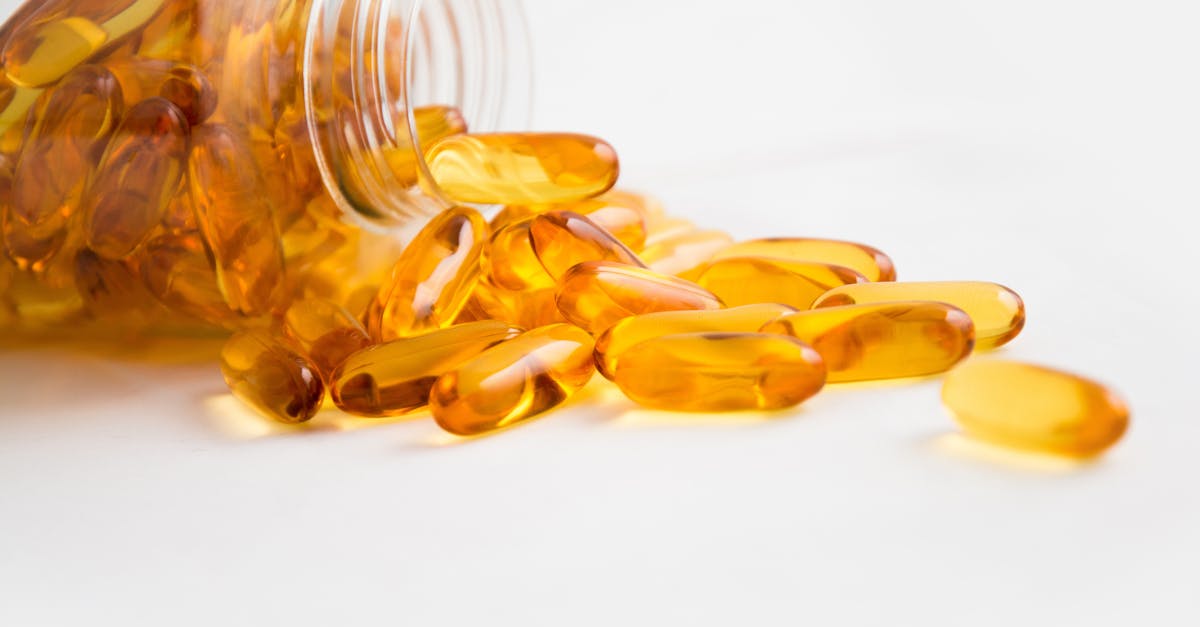
- Omega-3 and omega-6 fatty acids: These are the foundation of skin and coat health. Omega-3s (from fish oil) reduce inflammation. Omega-6s (from certain plant and animal fats) support skin barrier function. The ratio between them matters, and many commercial diets are heavier on omega-6 than omega-3.
- High-quality protein: Hair is almost entirely protein (keratin). Adequate dietary protein, including the specific amino acids methionine and cysteine, is essential for healthy hair growth.
- Zinc: This mineral is critical for skin cell turnover and immune function in the skin. Deficiency causes distinctive skin problems, particularly in certain breeds.
- Biotin: A B vitamin that supports keratin production. While clinical biotin deficiency is rare, supplemental biotin is often included in skin and coat formulations.
- Collagen: As discussed above, hydrolyzed collagen supports the structural foundation of healthy skin.
Topical Care
- Use gentle, moisturizing shampoos formulated for dogs. Avoid human products, which can disrupt the canine skin pH.
- Don't over-bathe. Most senior dogs do well with bathing every 4 to 6 weeks unless they have specific skin conditions requiring more frequent care.
- Brush regularly to distribute natural oils, remove dead hair, and check for new lumps or skin changes.
Environmental Factors
- Humidify your home in dry winter months. Low humidity exacerbates dry skin.
- Provide soft, clean bedding that doesn't irritate thinning skin.
- Protect senior dogs from sunburn, especially those with thin coats or light-colored skin on the nose, ears, and belly.
When Skin Changes Signal Something More
While many skin and coat changes are normal aging, some warrant professional attention:
- Symmetrical hair loss on both sides of the body (may indicate hormonal conditions like hypothyroidism or Cushing's disease)
- Persistent itching, redness, or odor (may indicate infection or allergic disease)
- Rapidly growing or changing lumps
- Non-healing wounds or sores
- Excessive dryness or oiliness beyond what's expected for age
Your dog's skin and coat deserve the same attention as any other body system. Good nutrition, appropriate supplementation, gentle topical care, and regular professional assessment form a comprehensive approach to maintaining skin health as your dog ages.
Key Takeaways
- Age-related skin and coat changes include graying, thinning, dryness, reduced elasticity, and increased susceptibility to infections.
- Declining collagen production is a major factor in skin aging. Hydrolyzed collagen supplementation can support skin structure and healing.
- Omega-3 fatty acids, quality protein, zinc, and biotin are essential nutrients for skin and coat health.
- Regular grooming, appropriate bathing, and environmental modifications support aging skin topically.
- Symmetrical hair loss, persistent itching, rapidly changing lumps, or non-healing wounds warrant professional evaluation.